
Choosing a workspace sounds simple until your team starts dealing with noisy environments, long commutes, unreliable internet, or meeting rooms that are never available when needed. Many businesses select coworking offices based on appearance or pricing alone, only to realize later that operational efficiency suffers.
If you are trying to understand how to choose the right coworking space for your team, the process should go beyond aesthetics and promotional offers. The right workspace directly influences productivity, employee satisfaction, and even client perception.
This guide breaks down the practical factors businesses should evaluate before selecting a coworking office, from location and pricing to amenities and scalability.
Table of Contents
- Understand Your Team’s Requirements
- Evaluate Location and Accessibility
- Compare Pricing and Flexibility
- Check Amenities and Infrastructure
- Assess Scalability and Culture
- Common Mistakes to Avoid
How to Choose the Right Coworking Space for Your Team Based on Team Requirements
The first step in choosing a coworking office is understanding how your team actually works. A workspace suitable for a creative agency may not work for a consulting team or a remote-first startup.
Start by evaluating team size, meeting frequency, privacy requirements, and work schedules. Some teams need quiet zones and private cabins, while others benefit from collaborative open seating.
Questions You Should Ask
- Metro and public transport connectivity
- Parking availability
- Nearby food and banking facilities
- Commute time for most employees
In practice, centrally connected coworking offices often improve productivity because employees arrive with less daily friction.
Evaluate Location and Accessibility Before Choosing a Coworking Space
Location affects more than convenience. It influences attendance consistency, employee satisfaction, and how clients perceive your business.
When evaluating how to choose the right coworking space for your team, prioritize accessibility over prestige. A premium office loses value if employees spend hours commuting every day.
Factors to Consider
- Metro and public transport connectivity
- Parking availability
- Nearby food and banking facilities
- Commute time for most employees
In practice, centrally connected coworking offices often improve productivity because employees arrive with less daily friction.
Compare Pricing and Contract Flexibility Carefully
Many businesses focus only on monthly rent while ignoring operational costs hidden in coworking agreements. Choosing a coworking office should involve evaluating the total cost of usage.
Hot desks may appear affordable initially, but teams that require privacy and consistency usually perform better with dedicated seating or private cabins.
Hidden Costs to Check
- Meeting room overage fees
- Printing and storage charges
- Lock-in periods
- Internet or maintenance add-ons
Flexible contracts are equally important. Businesses evolve quickly, and rigid agreements can create unnecessary financial pressure.
You can explore our detailed guide on coworking space pricing models to understand this better.
Amenities Matter More Than Design Trends
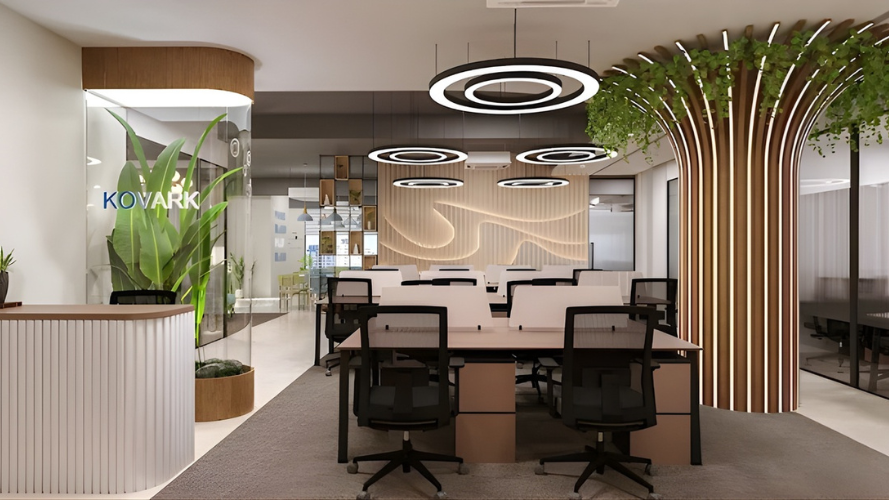

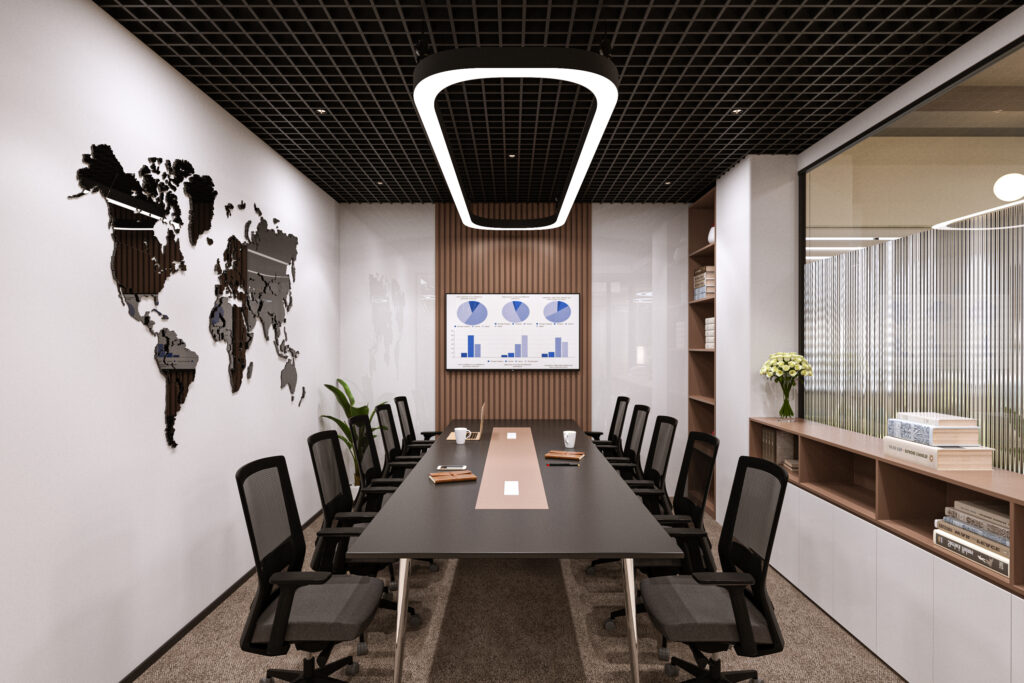
A visually attractive office does not automatically improve productivity. Reliable infrastructure has a far greater operational impact than decorative interiors.
When deciding how to choose the right coworking space for your team, focus on amenities that support uninterrupted work.
Essential Amenities
- High-speed internet with backup
- Soundproof meeting rooms
- Ergonomic seating
- Power backup systems
- 24/7 access if your team works flexible hours
Teams often underestimate how much poor infrastructure affects day-to-day output until problems become repetitive.
Assess Scalability and Community Fit
The right coworking office should support your business not only today but also six months from now. Teams grow, workflows change, and space requirements evolve.
Choose providers that offer expansion flexibility within the same building or network. This reduces operational disruption during scaling phases.
Why Community Matters
Coworking environments also influence networking opportunities. Some spaces attract startups and freelancers, while others cater to enterprise teams or consultants.
A mismatched environment can affect focus and collaboration. Visiting during working hours gives a clearer picture of the actual atmosphere.
You can explore our detailed guide on workspace productivity strategies to understand this better.
Common Mistakes Businesses Make While Choosing a Coworking Space
Ignoring Noise Levels
Busy coworking floors can become distracting, especially for teams handling calls or focused work.
Choosing Only Based on Price
Lower pricing often comes with infrastructure compromises or limited flexibility.
Overlooking Internet Reliability
Internet downtime affects operations immediately, particularly for remote and digital teams.
Not Reviewing Contracts Properly
Exit clauses and hidden costs become major issues later if ignored during onboarding.
Pros and Cons of Coworking Spaces for Teams
Pros
- Lower upfront operational costs
- Flexible workspace plans
- Networking and collaboration opportunities
Cons
- Limited customization options
- Shared environment distractions
- Dependency on provider infrastructure
Understanding both sides helps businesses make balanced decisions rather than reacting to trends.
Kovark is a popular coworking provider. For broader industry insights, you can also review the official platform of Kovark as an external reference.
Brand Approach Section
At Kovark, we evaluate coworking spaces through an operational lens rather than surface-level comparisons. Our approach focuses on team workflows, scalability, infrastructure reliability, and long-term flexibility.
Instead of relying only on pricing or aesthetics, we use structured evaluation frameworks to help businesses identify spaces aligned with actual operational requirements. This creates clearer decision-making and reduces avoidable inefficiencies.
Conclusion
Understanding how to choose the right coworking space for your team requires balancing productivity, accessibility, flexibility, and long-term practicality. The right environment supports growth and collaboration, while poor choices quietly affect operations over time. Structured evaluation always delivers better outcomes than impulsive selection.
If this is something you are planning for your business, the team at Kovark can help you approach it with clarity and structure. A thoughtfully selected workspace supports both productivity and long-term operational stability.